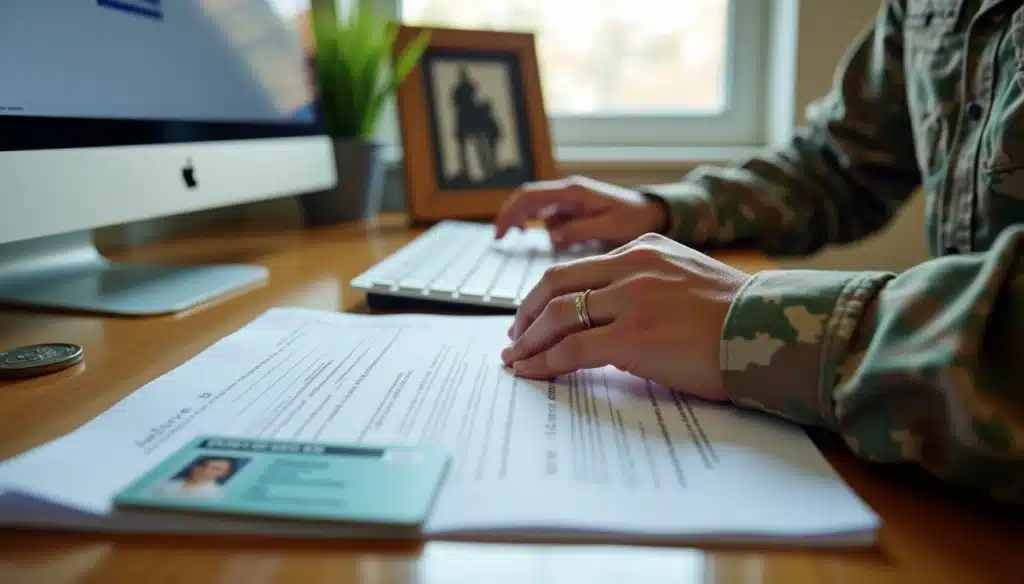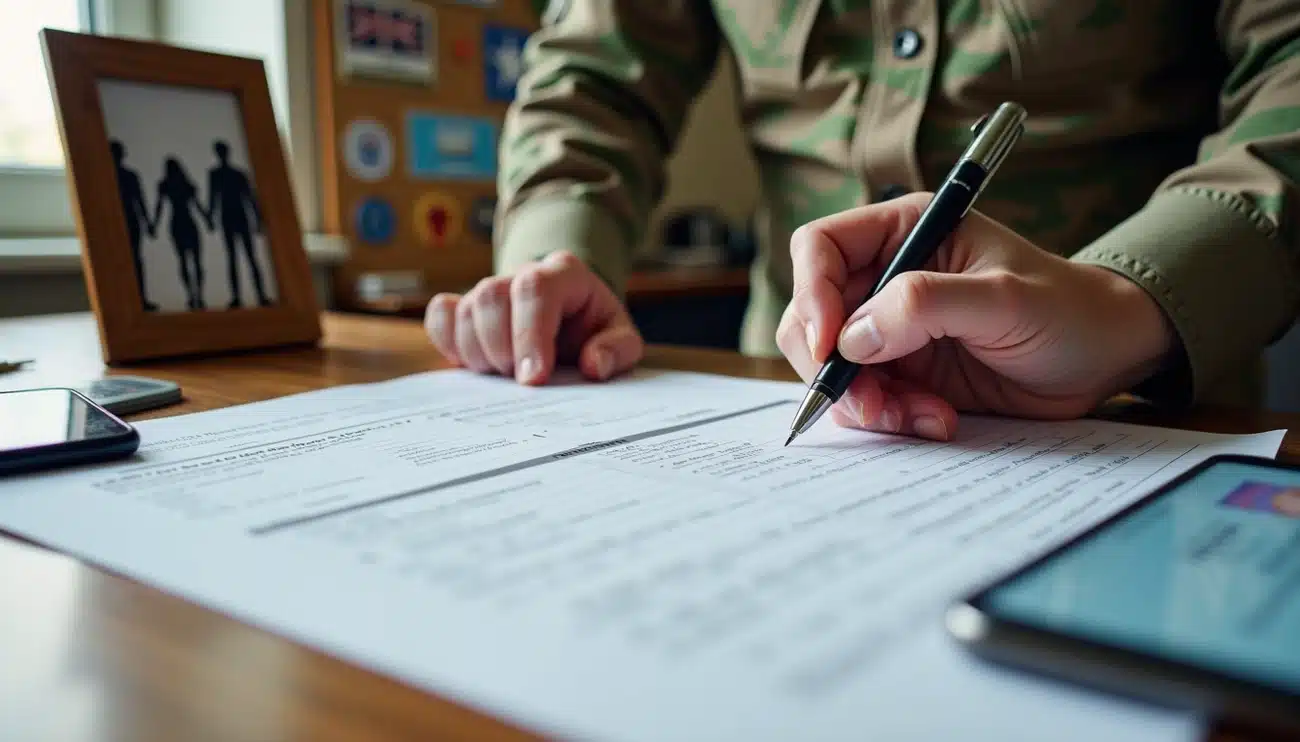
Military service members often wonder about the procedures during injuries or emergencies. The DD 93 stands as one of the most important documents every service member must maintain, though many soldiers don’t grasp its full value.
The DD Form 93, known as the Record of Emergency Data, plays a crucial role in military service. This document lets you choose your benefit beneficiaries and provides your command with contact details of people you want notified during emergencies or death. Service members need to update their DD Form 93 yearly around their birthday. Updates become necessary after life-changing events like marriage, divorce, birth, death, or changes to next-of-kin details.
Outdated information in this document creates several problems. Your family might receive delayed notifications, beneficiaries could face payment delays, and ex-spouses might wrongly receive benefits. Other issues include family conflicts over benefits and delays in bringing family members to your location during emergencies. This piece will guide you through the essential aspects of the DD Form 93 to ensure your loved ones’ protection when unexpected situations arise.
What is DD Form 93 and why it matters
The DD Form 93, known as “Record of Emergency Data” (RED), becomes your voice when you can’t speak for yourself. This significant document carries out several vital functions for military service members.
Your DD Form 93 gives your command the latest contact details of immediate family members who must be notified if you become a casualty. The form names who gets your death gratuity—a $100,000 payment that helps your family handle immediate financial needs like housing, food, and childcare while other benefits are processed.
The form does more than list emergency contacts. It directs how your pay and allowances should be handled if you’re captured, missing, or interned. The document also names the Person Authorized to Direct Disposition (PADD) who would handle your funeral arrangements.
Service members should know that the DD 93 becomes their voice after death or incapacitation. Military experts call it the most important document you’ll sign after your enlistment contract or oath of office.
Outdated information on your DD 93 can lead to serious issues. Your next of kin might face delayed notifications, beneficiaries could wait longer for payments, ex-spouses might wrongly receive benefits, families could dispute entitlements, and relatives might face delays reaching your bedside.
Every service member must keep this document current as part of their military duties.
When and how to update your DD Form 93
Your DD Form 93 needs regular updates. Military regulations require service members to update this vital document at specific times and after major changes in their lives.
When to update your DD Form 93:
We updated the DD Form 93 yearly around birthdays. This vital document also needs revision after these most important life changes:
- Marriage or divorce
- Birth or death of a child
- Changes in beneficiary addresses
- Death of a listed beneficiary
The DD Form 93 needs verification when you report to a new duty station, before deployment, before leaving on permanent change of station orders, and when you receive orders for temporary additional duty that last more than 30 days.
How to update your DD Form 93:
Army personnel can update their DD Form 93 through the Integrated Personnel and Pay System (IPPS-A) [141]. IPPS-A automatically sends the updated information to your iPerms record after completion. You can also visit your unit’s S-1 or human resources/personnel section to get help.
It’s worth mentioning that after updating with an HR professional, you should check if your DD Form 93 appears in your iPerms record within 24 hours. The action remains incomplete until then, so follow up right away if you don’t see it.
Note that “If you are unable to speak for yourself, the DD Form 93 becomes your voice” [141].
What happens if your DD Form 93 is outdated
Not updating your DD Form 93 creates serious problems for families already coping with loss. The military must follow what’s written on this document exactly – whatever verbal promises or current family situations exist.
Outdated information leads to several issues. The military might notify the wrong person about your casualty status. Your current spouse could learn about your death through social media instead of official channels.
The financial impact hits hard and fast. Your $100,000 death gratuity could end up going to an ex-spouse instead of your current family. I’ve witnessed cases where a deceased soldier’s ex-spouse got all benefits while their new stay-at-home spouse and child were left with nothing.
The problems go beyond money and notifications. An outdated DD93 might mean your remains get buried nowhere near your current family’s location. Casualty Assistance Officers don’t deal very well with old addresses, which slows down the whole ordeal.
After death, fixing this information turns into a legal battle rather than a simple paperwork update. Your family would need court orders to change the designations, adding extra stress during their grieving.
The military needs to complete about 170 tasks to handle a service member’s death and burial properly. Having the right documentation makes this process substantially easier for families dealing with loss.
Conclusion
The DD Form 93 is a vital document you’ll sign during your military service. After learning about this form, you’ll understand why military leaders stress its value. This document becomes your voice if you can’t speak, and it guides everything from emergency contacts to financial aid for your loved ones.
Wrong details on your DD Form 93 can lead to serious problems. Your family could face delays in notifications, wrong benefit payments, and legal issues during tough times. Your current spouse and kids might struggle without money while an ex-spouse gets your death benefits.
You need to keep this form current. Note that checking and updating it each year around your birthday makes sense. On top of that, it needs immediate changes after big life events like marriage, divorce, new children, or deaths in the family. The military follows what’s on paper – not what you meant to write or said out loud.
Updating your DD Form 93 through IPPS-A or your unit’s personnel office is quick but gives full protection. This simple paperwork can save your loved ones from future struggles.
The sort of thing I love is this reality check: the military must complete 170 tasks after a service member dies. Your well-managed DD Form 93 helps both the military and your grieving family by a lot. It might feel uncomfortable to think over, but taking care of this document is one of the best ways to protect the people who mean everything to you.