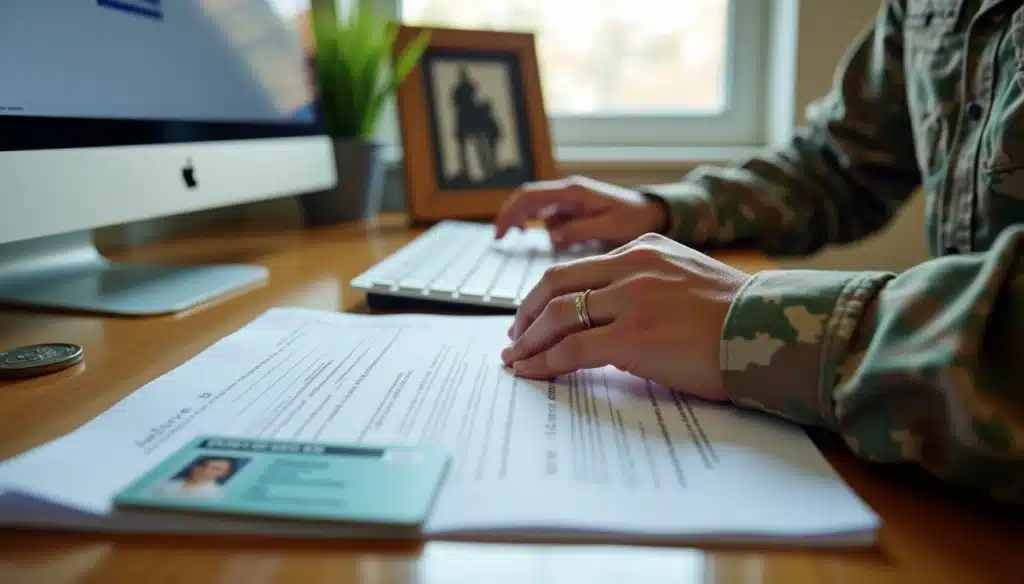
The SF 600 medical form stands as a vital document that follows service members throughout their military career. The Privacy Act of 1974 governs this form, which creates a timeline of your medical care during service.
Let’s dive into the details of the Standard Form 600. You’ll learn the proper way to fill out this medical form, see real SF 600 examples, and find resources for fillable versions. The SF 600 medical form holds sensitive details, including your Social Security Number – authorized by Public Law 93-579 Section 7(b). Your history of mental health conditions or impairments that could impact duty performance also gets documented here.
The SF 600, last updated in September 2025, has specific requirements you need to know. This piece will help both new recruits and experienced service members handle their medical documentation correctly.
What is the SF 600 Medical Form?
The Chronological Record of Medical Care, also known as Standard Form 600 (SF 600), helps military healthcare providers document patient care. This medical record captures patient information such as medical history, symptoms, diagnosis, treatments, and key findings.
Military healthcare facilities of all branches employ the SF 600, including the Army, Navy, and Air Force. Service members benefit from the form’s structured format that creates a detailed medical timeline across different facilities.
Healthcare providers must make entries that people can read easily (typed or written in black or blue-black ink). The person making the entry needs to sign and date it in day-month-year sequence. Each entry starts with capital letters and uses present or past-tense verbs.
The SF 600’s status as an official record gives it legal importance. To cite an instance, veterans need this documentation to apply for a Purple Heart after discharge. Medical departments also use it as a backup when a service member’s records are unavailable.
September 2025 marks the latest revision of the SF 600. This form remains the foundation for ensuring continuous care and meeting regulations in military healthcare systems.
How to Fill Out the SF 600 Correctly
Completing the SF 600 medical form accurately needs careful attention. Start with your patient details – full name (last, first, middle), ID number or SSN, gender, date of birth, and rank/grade.
You must document symptoms, diagnosis, treatment, and the treating organization in the main section. Black or blue-black ink works best for all entries, which should be clearly typed or written. Each new entry needs capitalization and proper verb tense – present or past.
Medical staff making entries should sign with their complete details – full name, grade or rate, profession, and SSN. The entries need recording right after treatment.
The SOAP format (Subjective, Objective, Assessment, Plan) helps many medical providers with their documentation. This well-laid-out approach will give a detailed record of patient care.
Mistakes happen – just draw one line through wrong information, write “error,” and add your initials. White-out and heavy cross-outs are not allowed.
Your military career’s medical history depends on this form, so document everything, including referrals to other facilities. This chronological record needs careful attention since it tracks your entire service history.
SF 600 Examples and Resources
Getting resources for the SF 600 medical form is straightforward. U.S. Government departments can order the physical form through GSA Global Supply or GSA Advantage with stock number 7540-00-634-4176. The current revision from September 2025 remains the standard in all military branches.
Digital options make the process easier. Many online resources offer fillable SF 600 templates. You can type text, complete fields, insert images and add comments without printing. The platforms also provide secure cloud storage to save your completed forms.
The SOAP format (Subjective, Objective, Assessment, Plan) helps create well-laid-out patient assessment records. Each entry should be legible and signed by the provider. The text needs proper capitalization and prompt recording.
Made a mistake on the form? Just draw a single line through the wrong information. Write “error” and add your initials. The original text should always remain visible.
The form has standard fields for date, symptoms, diagnosis, treatment details and the treating organization’s information. Note that treatment plans should list relevant medications, duty restrictions and any recommended special actions.
Conclusion
The SF 600 medical form plays a vital role throughout your military career. This key document creates a timeline of your healthcare experience during service. You need to pay close attention when filling out each section. Good documentation of your medical history, symptoms, diagnoses, and treatments helps maintain care quality as you move between different facilities and providers.
The SF 600’s importance goes well beyond basic medical record-keeping. This form serves as official proof for many administrative processes, including Purple Heart applications. The Privacy Act of 1974 protects this document, which shows how sensitive its contents are.
You should know the right way to complete these forms. Use clear handwriting or type entries, follow the SOAP format when needed, and remember to sign and date everything properly. If you make mistakes, you must correct them without hiding the original information. This keeps the official record accurate and trustworthy.
You can get physical forms through GSA channels or use digital templates to fill them out. Keeping detailed SF 600 records will protect your health interests during your military service. The information in this piece will help you handle military healthcare documentation requirements and keep your medical history accurate for both current care and future needs.